
7 Common Mistakes First-Time Australian Cattle Dog Parents Make
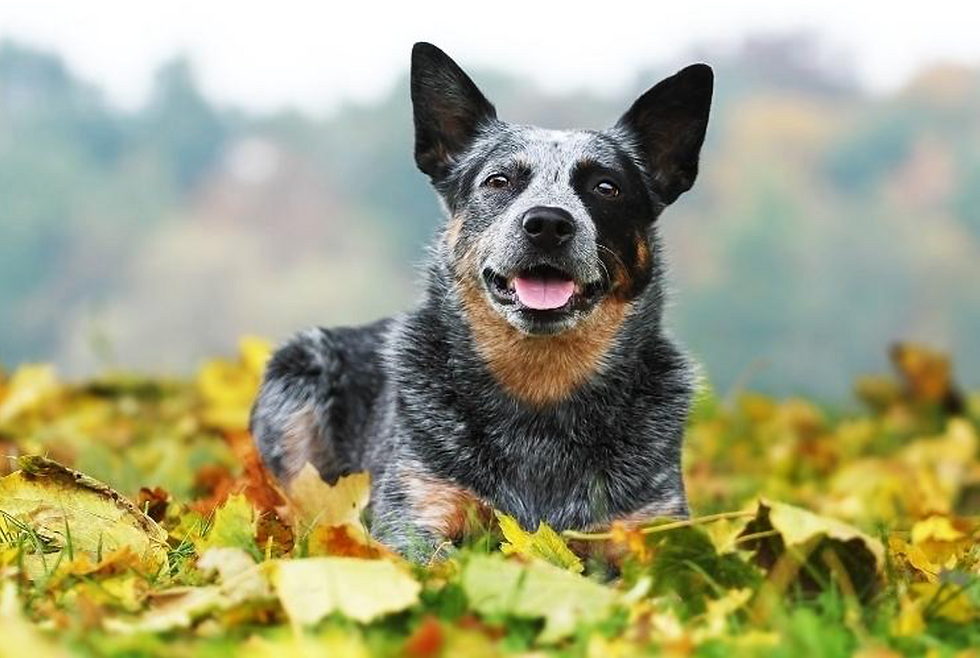
Australian Cattle Dogs are intelligent, loyal, and highly driven companions. Their energy and work ethic make them stand out from many other breeds, but they can also overwhelm unprepared owners. First-time cattle dog owners often underestimate how much structure, stimulation, and consistency these dogs need on a daily basis.
Originally bred to herd livestock across harsh terrain, Australian Cattle Dogs thrive when they have a job to do. Without enough physical activity and mental engagement, they can quickly develop destructive habits or behavioral issues. Understanding common mistakes early on can help you build a stronger relationship with your dog and create a more stable home environment.
This guide covers several of the most common missteps that first-time owners make and offers practical advice for raising a well-adjusted Australian Cattle Dog.
1. Choosing a Puppy Without Researching the Breeder
One of the biggest mistakes happens before the puppy even comes home. Many new owners choose a puppy based on appearance or convenience rather than temperament and breeding practices. Because Australian Cattle Dogs are highly intelligent working dogs, early socialization and responsible breeding matter significantly.
Ethical breeders focus on stable temperaments, health testing, and proper early exposure to people, sounds, and environments. Puppies raised in poor conditions may struggle with fearfulness, anxiety, or reactivity later in life.
A well-socialized puppy also benefits from healthy routines, proper nutrition, and positive reinforcement from the beginning. Many owners use high-quality rewards during early training sessions, such as Fresh Is Best dog treats, to reinforce calm behavior, crate training, and recall work. Consistent positive experiences during puppyhood often shape long-term Australian Cattle Dog behavior far more than owners realize.
2. Underestimating Their Energy Levels
Australian Cattle Dogs are not casual companion dogs that stay content with a short walk around the block. Many first-time owners assume a backyard will provide enough exercise, but this breed usually needs structured physical and mental activity every day.
Without proper outlets, boredom can quickly turn into problem behaviors such as:
● Excessive barking
● Digging
● Nipping at heels
● Fence running
● Obsessive chewing
● Herding children or other pets
Physical exercise alone isn’t enough either. Herding breeds were developed to think independently while working with livestock, which means mental stimulation is equally important.
Useful activities include:
● Obedience training
● Scent games
● Puzzle toys
● Agility work
● Herding activities
● Advanced trick training
Many tips for first-time cattle dog owners focus heavily on exercise, but mental enrichment often determines whether the dog feels fulfilled at home.
3. Ignoring Early Socialization
Australian Cattle Dogs can naturally become wary of strangers or overly protective if they’re not socialized properly during puppyhood. Some owners mistakenly believe socialization simply means allowing the dog to meet many people. In reality, proper socialization involves teaching the dog to remain calm and confident in different situations.
Positive exposure should include:
● Different environments
● Various surfaces and sounds
● Car rides
● Grooming routines
● Other animals
● Visitors entering the home
● Controlled public outings
The goal is to build confidence gradually. Overwhelming puppies with chaotic experiences can backfire, triggering fear responses. Avoid dog parks too early. Negative interactions during critical developmental stages can contribute to leash reactivity or defensive behavior in Australian Cattle Dogs later on.
4. Allowing Herding Behaviors to Go Unchecked
Herding instincts may seem amusing at first, especially when puppies chase moving objects or nip lightly at ankles. However, allowing these behaviors without redirection often creates larger problems as the dog matures.
Australian Cattle Dogs were bred to control livestock movement by using pressure and movement. In a household setting, this instinct may target:
● Running children
● Joggers
● Bikes
● Cars
● Other pets
Many first-time owners accidentally reinforce the behavior by laughing or turning it into a game. Consistent redirection is far more effective.
Immediately interrupt inappropriate herding behavior and redirect the dog toward acceptable activities, such as fetch, structured obedience, or tug games with rules. Teaching impulse control exercises early also helps reduce compulsive chasing tendencies.
Clear boundaries are especially important with herding breeds because they naturally test routines and patterns within the home.
5. Using Inconsistent Training Methods
Australian Cattle Dogs learn quickly, which is both a strength and a challenge. They notice the inconsistency immediately. One family member allowing jumping while another discourages it creates confusion that slows training progress.
First-time owners sometimes repeat commands excessively or unintentionally reward unwanted behavior. For example, giving attention to barking can reinforce vocal demands without realizing it.
Short, structured training sessions usually work best for this breed. Clear communication and predictable expectations help build trust while preventing frustration.
Important training priorities include:
● Reliable recall
● Loose leash walking
● Impulse control
● Calm greetings
● Place training
● Settling indoors
Because Australian Cattle Dogs are highly observant, they respond best when owners remain calm and consistent. Harsh corrections or punishment-based training can increase anxiety or defensive behavior in sensitive dogs.
6. Expecting Them to Calm Down Naturally With Age
Some owners assume high-energy behavior will disappear once the dog reaches adulthood. While maturity helps slightly, Australian Cattle Dogs typically remain active and mentally sharp throughout their lives.
Without continued engagement, adult dogs may still struggle with destructive behavior or frustration. This catches many first-time owners off guard because the puppy stage receives most of the attention during preparation.
A healthy adult cattle dog still benefits from:
● Daily exercise
● Ongoing training
● Structured routines
● Interactive play
● Mental challenges
These dogs often excel when owners give them purposeful activities rather than expecting them to simply “settle down.”
7. Neglecting Rest and Decompression
Surprisingly, some owners focus so heavily on exercise that they forget to teach their dog how to relax. Constant stimulation without downtime can leave a dog overstimulated and struggling to settle indoors.
Australian Cattle Dogs need structured rest just as much as activity. Teaching calm behavior through crate training, place work, and quiet downtime prevents chronic overstimulation.
Puppies especially need scheduled naps throughout the day. Overtired puppies often become mouthy, hyperactive, and difficult to manage, which many owners mistake for “bad behavior.”
Balanced routines that include both activity and recovery tend to produce calmer, more adaptable dogs over time.
Final Thoughts
Australian Cattle Dogs can become exceptional companions for owners who understand their instincts, intelligence, and energy levels. The common mistakes come from underestimating how much structure and engagement these dogs require, rather than from bad intentions.
The most successful owners stay proactive with training, socialization, and mental stimulation from the very beginning. They recognize that herding breeds thrive when given guidance, consistency, and purposeful outlets for their energy.


