
How to Help Kids and Dogs Live Together Safely
Updated: Oct 11
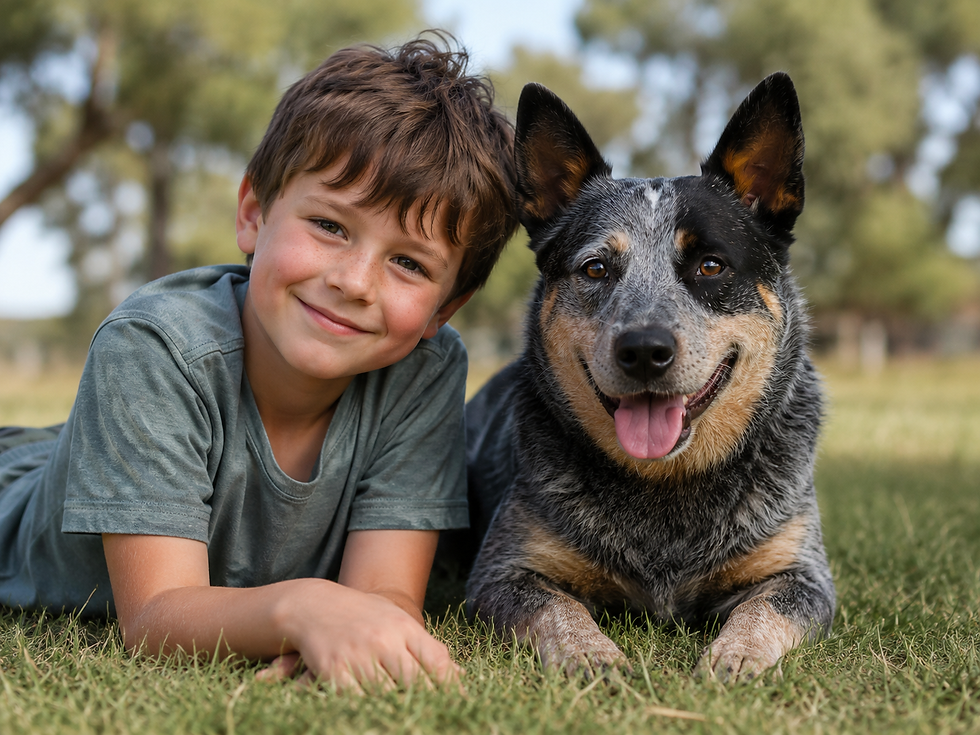
Bringing a dog into a family home can be wonderful, funny, messy, and occasionally chaotic. Kids gain a loyal companion. Dogs get a busy household full of play, snacks, routines, and attention. But a happy match doesn’t happen by accident.
Children and dogs both need structure. A toddler may not understand why pulling a tail hurts. A nervous dog may not know how to ask for space before growling or hiding. When parents set clear habits early, everyday life feels calmer for everyone.
Teach Kids That Dogs Need Personal Space
Children often show love by hugging, climbing, chasing, or getting right in a dog’s face. To a child, that may feel sweet. To a dog, it can feel overwhelming.
A simple family rule helps: let the dog come to you. Kids can sit nearby, offer a toy, or gently pat the dog’s shoulder or chest if the dog stays relaxed. They should avoid grabbing collars, pulling ears, touching paws without permission, or crowding a dog under a table, bed, crate, or chair.
Parents can also teach “resting spots.” If the dog is on a bed, in a crate, or eating, kids leave them alone. No exceptions. This gives the dog a safe place to reset and helps children understand that pets aren’t toys. They’re living beings with moods, boundaries, and comfort levels.
Build Predictable Routines Around Care
Dogs do better when the day has a rhythm. Kids do, too. Feeding, walks, playtime, grooming, and quiet time are easier when everyone knows what’s supposed to happen.
For younger children, keep responsibilities small and supervised. A preschooler can help scoop kibble into a bowl while an adult handles the actual feeding. A school-age child can refill a water bowl, put toys away, or help pack a leash before a walk.
Calm, shared activities can also help kids and dogs bond. Many children love reading aloud to their dog, which builds confidence and a sense of calm for both. If your child needs extra support with reading, this tutoring program can help them practice so story time becomes something they look forward to.
Older kids can take on more responsibility, but adults should still check that the dog’s needs are fully met. This matters even more for busy households. If parents are juggling school runs, work, sports, and weekend plans, it helps to have a backup care plan. Some families use trusted pet sitters, dog walkers, or local dog care options such as waggerzlounge.com when their schedule gets packed or their dog needs supervised social time outside the house.
Make Safety Part of Everyday Play
Dog safety shouldn’t feel scary. It should feel like normal family coaching, the same way parents teach kids to look both ways before crossing the street.
The CDC notes that children are more likely than adults to be bitten by dogs, and many bites involving young children happen during everyday interactions with familiar dogs, not strange ones. Parents can reduce risk by teaching children not to disturb dogs while they’re eating, sleeping, caring for puppies, hiding, or trying to be alone, according to the CDC’s guidance on dogs and healthy pet interactions.
Watch the dog’s body language during play. A loose body, soft eyes, relaxed mouth, and gentle movements usually mean the dog is comfortable. Stiff posture, tucked tail, lip licking, yawning, whale eye, growling, or moving away are signs to pause. Teach kids that stopping is kind, not disappointing.
Roughhousing also needs limits. Tug can be fine with rules. Fetch can burn energy. But wrestling, chasing the dog around the room, or taking toys directly from the dog’s mouth can lead to avoidable tension. If play gets too loud or fast, reset with a calm command, a water break, or a quiet activity.
Prepare Your Dog for Family Changes
Dogs notice change. A new baby, a move, a different school schedule, or relatives visiting can affect their behavior. A dog that’s usually calm may become clingy, restless, or reactive when routines shift.
Before a big change, practice the new routine in small steps. If a baby is coming, let the dog get used to stroller walks, baby gates, new sounds, and shorter bursts of attention. If your child is starting school, adjust walk and feeding times before the first week arrives. If visitors are coming over, give the dog a quiet room or crate with water, bedding, and a favorite chew.
It also helps to reward calm behavior. When the dog settles while kids do homework, praise them. When they stay relaxed while a child walks by with a snack, reward that too. Dogs repeat what works, so make calm choices worth their while.
Keep the Relationship Warm, Not Forced
The best kid-and-dog relationships grow through trust. That means adults shouldn’t force closeness. Some dogs love cuddles. Others prefer sitting nearby. Some children are naturally confident with pets, while others need time.
Give both sides room to build comfort. Let kids take part in low-pressure activities, like tossing a ball, helping choose a toy, or joining a short walk. Keep interactions short when the dog is tired. Step in early when either the child or the dog seems unsure.
A family dog can teach patience, empathy, responsibility, and respect. The main takeaway is simple: don’t leave the relationship on autopilot. With clear boundaries, steady routines, and gentle supervision, kids and dogs can share a home in a way that feels safe, relaxed, and genuinely happy.


